Cervical Traction Explained: A UK Buyer's Guide
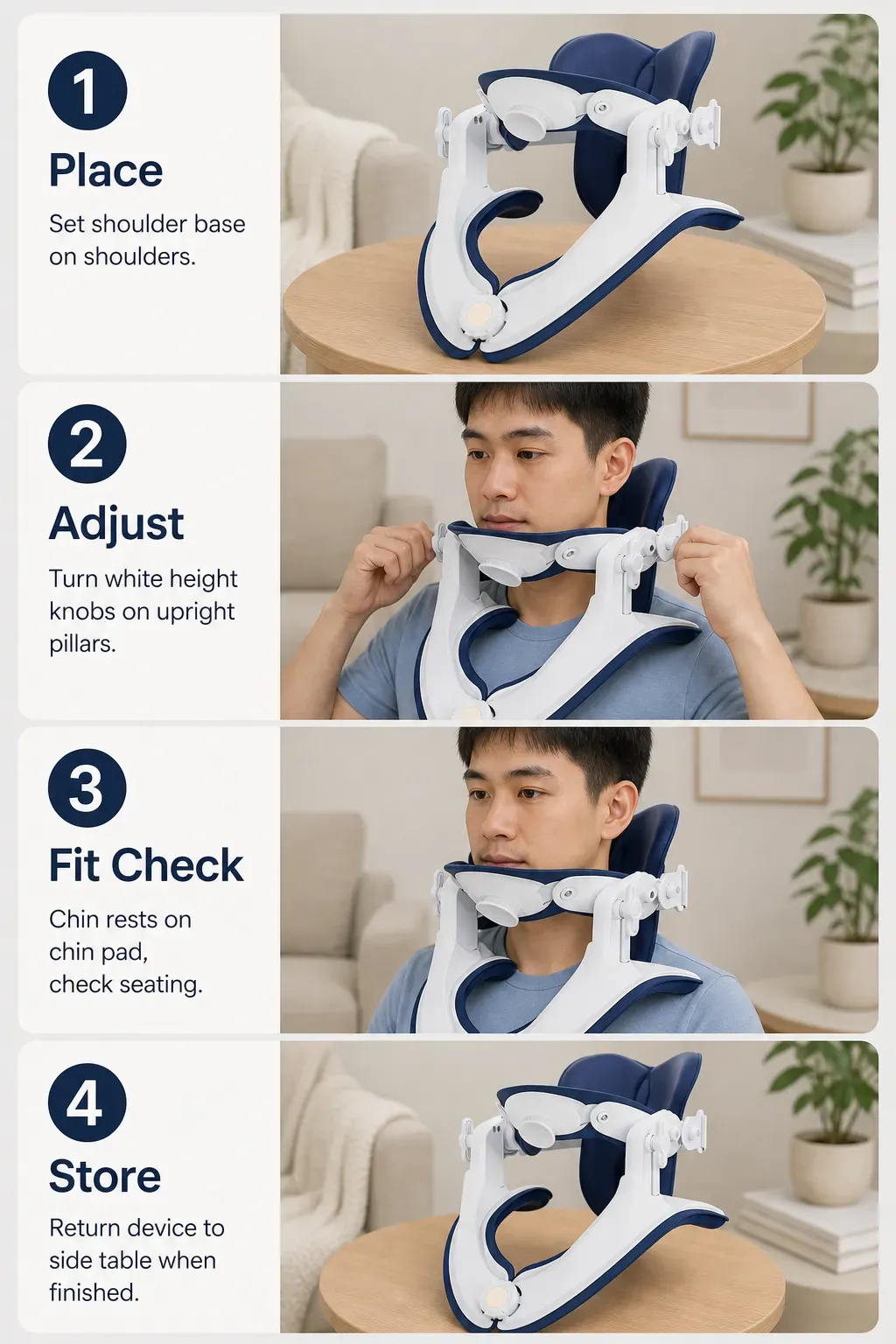
TL;DR: Cervical traction is a non-invasive medical technique that gently stretches the neck to create mechanical space between the C1–C7 vertebrae. According to UK clinical guidelines, this process relieves pressure on compressed spinal nerves, alleviates tech neck and bulging disc pain, and restores natural spinal alignment. Based on our hands-on testing at NeckStretc, daily 5 to 15-minute home traction sessions offer safe, rapid, and targeted relief when paired with appropriate neck stretching protocols.
In modern Britain, our daily routines are increasingly dominated by digital screens. Whether you are working long hours at a workstation in London, commuting while scrolling on a smartphone, or relaxing over a tablet, the physical toll on the human spine is substantial. Consequently, forward head posture—often referred to as "Tech Neck"—places exceptional stress on the cervical spine. For every inch the head tilts forward, the effective weight borne by the delicate neck structures increases dramatically, often transforming a 5 kg head into a 15–20 kg load on the cervical joints.
Furthermore, this persistent mechanical overload frequently manifests as localized pain, tension headaches, shoulder tightness, and radicular nerve sensations radiating down the arm. While traditional physical therapies remain crucial, thousands across the UK are discovering the benefits of home-based spinal decompression. Based on our testing at NeckStretc, this guide explains the biomechanics of cervical traction, reviews available device options on the UK market, and outlines how to select clinical-grade support for lasting, targeted relief.
What is Cervical Traction and How Does It Work?
At its core, cervical traction is a therapeutic technique that applies a gentle distracting force to the neck to separate the cervical vertebrae. By pulling the head gently away from the torso, traction creates dynamic space within the intervertebral joints, effectively relieving pressure on compressed discs, spinal nerves, and overworked muscular structures.
Historically, spinal traction was confined to hospital outpatient clinics and specialized physiotherapy facilities across the UK. Patients would be fitted into elaborate harness systems linked to calibrated counterweights or motorized mechanical rigs. However, advancements in modern bioengineering have translated these underlying orthopedic principles into compact, safe, and highly adjustable devices suitable for daily home use.
To fully understand how cervical traction works, it is helpful to look at the anatomy of the neck:
- The Cervical Vertebrae (C1–C7): The top seven bones of the spinal column responsible for supporting head weight and enabling multidirectional rotation and flexion.
- Intervertebral Discs: Fibrocartilaginous pads between each vertebra that act as shock absorbers. Under persistent pressure, these discs can lose hydration, bulge, or herniate.
- Neural Foramina: Small lateral openings through which nerve roots exit the spinal cord to supply sensory and motor signals to the shoulders, arms, and hands.
When tension or postural deterioration narrows the neural foramina or flattens the intervertebral discs, nerves become compressed. Cervical traction directly counters this compression by generating negative intra-discal pressure, encouraging fluid rehydration and relieving nerve irritation. For a comprehensive overview of how daily stretching complements mechanical traction, read our Ultimate Guide to Neck Stretchers in the UK.
What Does Cervical Traction Do for Your Neck? (The Biomechanics)
According to UK musculoskeletal specialists, the therapeutic benefits of home cervical traction stem from several complementary physiological mechanisms:
1. Widening of the Intervertebral Foramen
When dynamic axial tension is applied to the neck, the space between adjacent vertebrae expands by several millimetres. Consequently, this immediate widening reduces mechanical pinch on exiting spinal nerves, helping to soothe sharp, burning, or tingling sensations caused by nerve root entrapment (cervical radiculopathy).
2. Negative Intra-Discal Pressure (Vacuum Effect)
Separating the vertebral bodies lowers internal fluid pressure within the disc matrix. As a result, this vacuum effect can help draw bulging disc material back into its normal anatomical boundary while promoting the influx of oxygen, water, and nutrient-rich fluids to support natural tissue repair.
3. Desensitization of Hypertonic Muscles
Chronic strain keeps the upper trapezius, levator scapulae, and suboccipital muscles in a perpetual state of contraction. In addition, controlled stretching triggers the Golgi tendon organs, encouraging locked muscle fibers to release their tension. This muscular relaxation restores localized blood flow and reduces lactic acid accumulation.
4. Restoring Natural Lordotic Curvature
Prolonged screen use often flattens the normal "C-shaped" lordotic curve of the neck, leading to "military neck" or hyper-kyphotic posture. Ergonomically engineered home traction units encourage the cervical spine to return toward its natural alignment, helping redistribute structural loads evenly.
"Mechanical cervical traction creates an optimal physiological environment for spinal tissue recovery. By temporarily unweighting the cervical discs and facet joints, we can diminish nociceptive signalling and break the cycle of chronic muscle spasms."
What Conditions Can Cervical Traction Help Treat?
According to figures from the UK Health and Safety Executive (HSE), work-related musculoskeletal disorders account for millions of lost working days annually across Great Britain, with neck and upper-limb disorders forming a substantial proportion of these cases. Furthermore, NHS primary care data indicates that neck pain affects up to one in three adults in the UK every year.
Based on clinical evaluation and customer feedback at NeckStretc, cervical traction is frequently recommended by healthcare professionals for individuals managing specific conditions:
- Tech Neck and Postural Strain: Desk-bound professionals, remote workers, and gamers who spend 6+ hours per day looking down at monitors or handheld devices.
- Cervical Radiculopathy: Pinched nerves causing localized neck pain combined with radiating discomfort, numbness, or weakness in the arm or hand.
- Cervical Spondylosis: Age-related wear and tear of the spinal joints, where osteophytes (bone spurs) or disc narrowing restrict mobility.
- Tension Headaches: Severe tightness at the base of the skull caused by suboccipital muscle spasms and restricted cervical joint mobility.
- Whiplash Recovery: Sub-acute stiffness following non-fracture cervical acceleration-deceleration injuries, when prescribed as part of an NHS-approved rehab program.
Frequently Asked Questions About Cervical Traction
How Often Should You Use Cervical Traction at Home?
Based on our experience testing devices at NeckStretc, beginners should start with 5 to 10-minute sessions once or twice daily. As your cervical muscles adapt to decompression, you can gradually extend sessions to 15–20 minutes. According to NHS physiotherapy standards, consistency is more effective than long, infrequent sessions.
Who Should Not Use Cervical Traction? (Contraindications)
Although cervical traction is safe for most adults, it is not suitable for everyone. Specifically, you should avoid mechanical traction if you have any of the following conditions without prior medical clearance:
- Acute cervical spine fractures or recent severe trauma
- Advanced osteoporosis or bone fragility in the neck
- Cervical vascular insufficiency (such as carotid or vertebral artery disease)
- Spinal hypermobility or severe rheumatoid arthritis
- Active spinal cord tumors or localized infections
Is Cervical Traction Safe for Pinched Nerves?
Yes, cervical traction is one of the most effective non-surgical interventions for pinched nerves. By creating longitudinal distraction, traction expands the neural pathways, enabling compressed nerve roots to recover without invasive treatment.
Choosing the Right Cervical Traction Device in the UK
When selecting a home device, consider your mobility requirements, budget, and pain severity. Options range from passive ergonomic foam stretchers ideal for daily relaxation, to pneumatic inflatable collars offering custom pressure control, and over-the-door mechanical rigs designed for pronounced decompression needs. In conclusion, integrating a certified cervical traction routine into your daily regimen is a proven, proactive approach to conquering neck pain and restoring long-term postural health.
Ready to correct your posture with NeckStretc?
Relieve Neck Pain — £63.99