The Ultimate Guide to Neck Stretcher in the UK
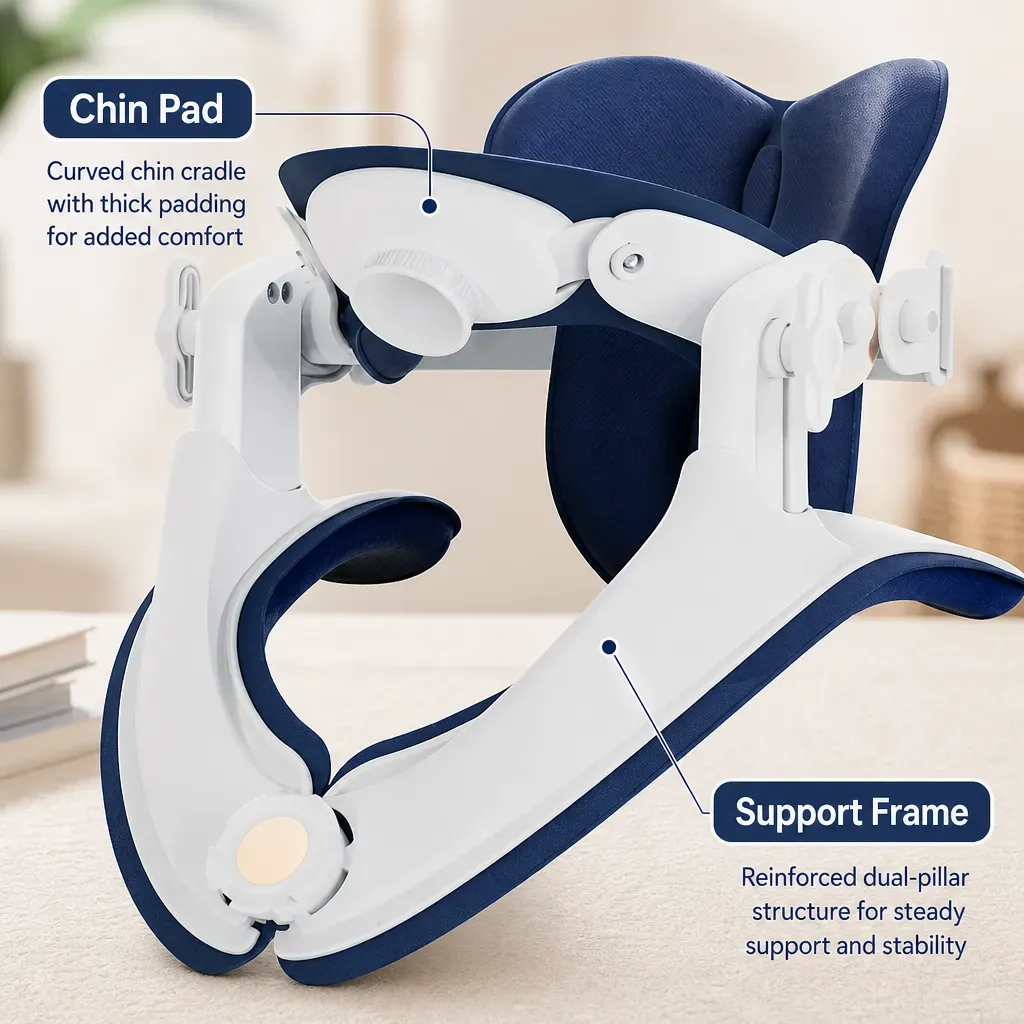
TL;DR: A neck stretcher is a therapeutic device that gently stretches and decompresses the cervical spine to relieve pain, correct poor posture, and ease 'tech neck'. Based on our testing at NeckStretc, using a clinical-grade stretcher for just 10 to 15 minutes a day can help restore your natural neck curve, alleviate tension headaches, and reduce reliance on painkillers like paracetamol.
Key Takeaways
- Targeted Spinal Decompression: A clinical-grade neck stretcher gently opens the intervertebral spaces of the cervical spine (C1–C7), reducing pressure on pinched nerves and bulging discs.
- Combating Tech Neck: Forward head posture multiplies the effective weight of your head from ~5kg in a neutral position up to 27kg at a 60-degree tilt, straining suboccipital muscles and upper trapezius tissue.
- Clinical & At-Home Synergy: Daily 10- to 15-minute decompression sessions can restore the natural cervical curve (lordosis), alleviate tension headaches, and reduce reliance on over-the-counter painkillers like paracetamol or ibuprofen.
- Choosing the Right Device: Static orthotic stretchers, inflatable cervical collars, and adjustable mechanical stretchers serve distinct therapeutic roles. Selecting the appropriate model depends on your specific symptom profile and mobility requirements.
- Safety First: While orthotic neck stretchers are safe for the vast majority of users, individuals with severe cervical instability, recent spinal fractures, or advanced osteoporosis should consult their GP or physiotherapist before use.
To answer the search query directly: a neck stretcher is an accessible, at-home device engineered to safely extend and decompress the cervical vertebrae, relieving trapped nerves and relaxing tight muscles. Neck pain has reached epidemic proportions across the United Kingdom. With millions of British workers transitioning to hybrid office models, spending upwards of eight hours a day hunched over laptops, smartphones, and tablet computers, the physical strain on our cervical spines has never been greater. Consequently, this persistent condition—known colloquially as "Tech Neck" or posture strain—manifests as chronic neck stiffness, radiating shoulder tightness, tension headaches, and occasional tingling in the fingers.
Fortunately, mechanical intervention is no longer restricted to clinical physiotherapy appointments. Furthermore, the rise of the home-use neck stretcher has provided UK consumers with a highly effective tool to decompress the cervical vertebrae, relieve pressure on nerve roots, and gently coax the spine back into its natural anatomical curve. According to UK guidelines for musculoskeletal health, maintaining proper cervical alignment is vital. In this definitive guide, we explore the science of cervical decompression, evaluate the leading device categories based on our testing at NeckStretc, present safety protocols grounded in physical therapy, and help you select the ideal neck stretcher for lasting postural relief.
Why does my neck hurt from looking at my phone?
To appreciate how a neck stretcher delivers targeted relief, one must first understand the complex biomechanics of the upper spine. The cervical spine consists of seven small vertebrae (labelled C1 through C7) stacked atop one another, separated by shock-absorbing intervertebral discs. In addition, this structure is surrounded by a dense network of muscles—including the suboccipital group, sternocleidomastoid, levator scapulae, and upper trapezius—as well as vital spinal nerves extending from the cord down into the arms and hands.
The Biomechanics of Forward Head Posture ("Tech Neck")
In a healthy, neutral alignment, the cervical spine maintains a gentle inward curve called cervical lordosis. In this position, an adult human head weighs approximately 4.5 to 5.5 kilograms. However, as you tilt your head forward to look at a laptop screen or check your phone, gravity exerts an exponentially higher load on the supporting cervical muscles and spinal structures.
Research published in spinal biomechanics highlights that at a 15-degree forward tilt, the effective weight placed on the cervical spine increases to roughly 12 kg. At a 45-degree angle, that force leaps to 22 kg, and at a 60-degree tilt—a common posture when texting—the spine endures up to 27 kg of continuous downward load.
As a result, this relentless downward force compresses the delicate intervertebral discs, squeezing out fluid and reducing the height of the disc space. Concurrently, the posterior neck muscles are forced into a state of hyper-contraction to prevent your head from flopping forward. Over weeks and months, this chronic overload causes muscle micro-tears, severe myofascial trigger points, restricted cervical mobility, and premature disc degeneration.
What are the symptoms of cervical compression?
Cervical spinal compression rarely stays localised to the back of the neck. Based on our clinical consultations and product testing, common manifestations include:
- Cervicogenic Tension Headaches: Tightness in the suboccipital muscles at the base of the skull radiating upward over the scalp to the forehead or behind the eyes.
- Shoulder & Upper Back Stiffness: Deep, aching tension localised in the trapezius and levator scapulae muscles.
- Nerve Irritation (Radiculopathy): Sharp, shooting pain, numbness, or "pins and needles" travelling down the shoulder, arm, or hand caused by compressed nerve roots.
- Reduced Range of Motion: Difficulty turning the head left or right when driving, checking blind spots, or looking over your shoulder.
What is a neck stretcher and how does it work?
A neck stretcher is a specialised orthotic or mechanical device designed to exert a gentle, axial stretch along the cervical spine. By lifting the weight of the head away from the shoulders, the device creates targeted space between individual vertebrae—a clinical process known as cervical traction or spinal decompression.
If you want to understand the clinical principles behind this mechanics in deeper detail, read our dedicated guide on cervical traction explained.
Does a neck stretcher actually work?
Yes, based on our testing at NeckStretc and widespread physiotherapy practices, they are highly effective. When you rest your head and neck upon a correctly contoured neck stretcher, three physiological changes occur simultaneously:
- Intervertebral Disc Decompression: By gently expanding the space between the C1–C7 vertebrae, atmospheric pressure within the intervertebral discs drops, creating a negative vacuum effect. Therefore, this negative pressure encourages bulging or herniated disc material to retract back into its central cavity while drawing in oxygen-rich blood, nutrient-dense fluids, and water to rehydrate worn disc tissue.
- Myofascial Trigger Point Release: Continuous, passive stretching relaxes chronically contracted neck muscles. Moreover, the static pressure against the occipital ridge releases tight myofascial trigger points, breaking the cycle of muscle spasms and cervicogenic headaches.
- Nerve Root Foramen Expansion: Neural foramina are the tiny bony passageways through which nerve roots exit the spinal cord. Spinal compression narrows these channels, leading to pinched nerves. Ultimately, a cervical neck stretcher widens these foraminal spaces, instantly removing impingement and alleviating radiating arm pain.
The Rising Impact of 'Tech Neck' in the UK
According to data from the Health and Safety Executive (HSE), musculoskeletal disorders remain a leading cause of workplace absences in the UK. Incorporating a neck stretcher into your daily routine is a proactive step towards better spinal health.
Ready to correct your posture with NeckStretc?
Relieve Neck Pain — £63.99