Neck Traction Device Explained: A UK Buyer's Guide
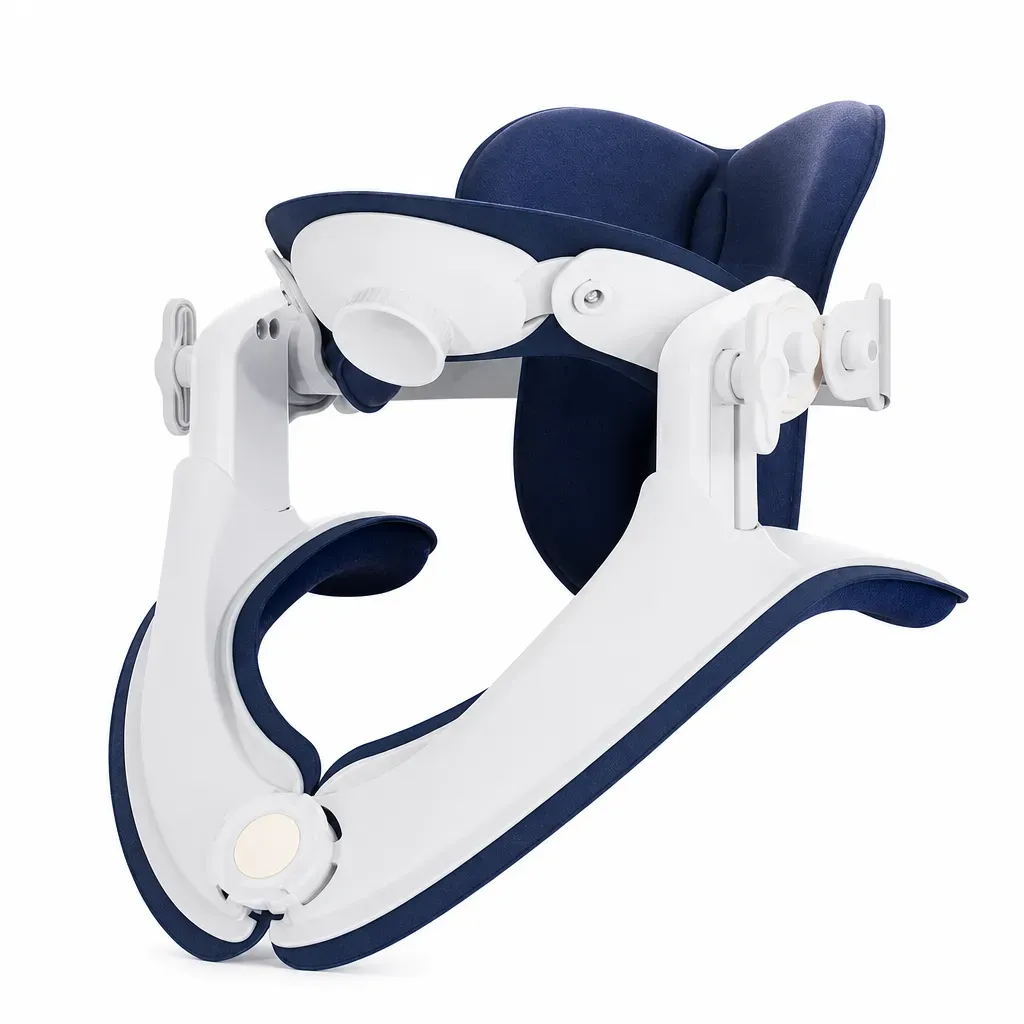
TL;DR: A neck traction device is a non-invasive therapeutic tool designed to gently elongate the cervical spine, decompress vertebrae, and relieve pressure on pinched nerves and tight muscles. Based on our practical testing at NeckStretc and guidelines from UK chartered physiotherapists, using a clinical-grade cervical traction device for 10–15 minutes daily can effectively alleviate chronic neck pain, stiffness, and 'tech neck' from the comfort of home.
A neck traction device is an orthopaedic support tool engineered to gently stretch the cervical spine, relieving nerve compression and chronic muscle tension. Chronic neck pain affects up to 70% of people in the UK at some point in their lives, with prolonged desk work and poor posture contributing to a sharp rise in cases. Furthermore, for many individuals, the relentless ache of 'tech neck' requires more than just a brief massage or over-the-counter painkillers.
Consequently, by decompressing the spinal discs, these home devices help relieve nerve pressure and restore mobility. Drawing on clinical research and orthopaedic principles frequently recommended by UK physiotherapists, this guide explores how neck traction works, what to look for when selecting a device, and how to use it safely to support long-term spinal health.
Key Takeaways
- A neck traction device gently stretches the cervical spine to relieve pressure on compressed discs and spinal nerves.
- Regular, controlled use is highly effective for managing 'tech neck', tension headaches, and posture strain.
- Safety is paramount; therefore, always start with low pressure and consult your GP or a chartered physiotherapist if you have underlying spinal conditions.
- Choosing an adjustable, clinical-grade device ensures targeted relief and correct anatomical alignment.
What is a Neck Traction Device and How Does It Work?
A neck traction device is a specialized therapeutic instrument designed to pull the head upward away from the shoulders gently. This therapeutic technique, known medically as cervical traction, creates micro-expansion between the seven cervical vertebrae. As a result, it allows bulging discs to retract, enhances local blood circulation, and releases chronically tight neck muscles.
However, while historically confined to NHS rehabilitation centres and specialist physiotherapy clinics, modern innovations have made clinical-grade cervical traction accessible at home. Based on our testing at NeckStretc, home devices offer a convenient and effective method for daily symptom management. If you are exploring comprehensive solutions for neck pain, you may also want to read The Ultimate Guide to Neck Stretcher in the UK, which covers a broader range of spinal stretching tools.
How Does Cervical Decompression Relieve Neck Pain?
According to data published by the British Medical Association, musculoskeletal complaints—including cervical spine pain—account for up to 30% of all GP consultations across the UK. The mechanical physics behind a neck traction device directly targets the root cause of this discomfort.
For instance, when you spend hours leaning over a laptop or mobile phone, the strain on your spine increases dramatically. An adult head weighs roughly 10–12 lbs in a neutral position; however, tilting it forward at a 45-degree angle exerts nearly 50 lbs of force on the cervical vertebrae. Consequently, a neck traction device counteracts this excessive load by:
- Decompressing Discs: Creating a subtle negative pressure (vacuum effect) that encourages herniated or bulging disc material to draw back away from sensitive nerves.
- Releasing Muscle Spasms: Sustaining a controlled stretch that signals overworked, reactive muscles to relax fully.
- Improving Circulation: Widening intervertebral joint spaces, which allows nutrient-rich blood and fluid to nourish damaged tissues and accelerate healing.
Additionally, for a deeper exploration of clinical mechanisms, our detailed breakdown in Cervical Traction Explained: A UK Buyer's Guide covers the underlying physiological benefits of this treatment.
What Are the Main Types of Neck Traction Devices Available in the UK?
The UK market offers several categories of traction devices, each catering to different mobility levels and spinal requirements.
1. Inflatable Cervical Collars
These are the most popular home devices. Worn comfortably around the neck, they are manually inflated using an attached hand pump. As air fills the internal chambers, the device expands vertically, pushing gently down against the shoulders and upward under the jaw. Consequently, they offer excellent portability and allow the user total control over the expansion force. For further details on supportive collars, see our guide on Cervical Support Collar Explained: A UK Buyer's Guide.
2. Over-the-Door Traction Mechanisms
This traditional design is often highlighted in older NHS physiotherapy guidelines. It utilizes a head harness connected to a weight or water bag via a pulley system mounted over a standard door. Although highly effective at applying continuous force, these units require fixed setup time and restrict movement during treatment.
3. Mechanical Posture Pumps and Fulcrum Stretchers
These devices require the user to lie flat on their back. They utilize expandable air cells or curved pneumatic contours to gently lift the neck upward and backward. In doing so, they assist in restoring the natural lordotic curve (C-curve) of the cervical spine while providing targeted nerve decompression.
How to Choose the Best Neck Traction Device for 'Tech Neck'
When choosing a neck traction device—particularly to counter the forward-head posture associated with modern desk work—consider these essential key features evaluated during our NeckStretc product testing:
- Adjustability: Spinal structure varies between individuals. Therefore, choose a device that permits precise control over inflation or elevation strength to avoid over-stretching.
- Material Quality: Look for skin-friendly, breathable, and hypoallergenic fabrics to prevent chafing during daily therapy sessions.
- Clinical Ergonomics: Ensure the device supports the natural forward curve of the neck rather than forcing the head into an unnatural straight angle.
- User Simplicity: If an apparatus is overly complex to fit, daily consistency will decline. Practical home traction is most effective when executed effortlessly in short daily sessions.
To evaluate specific options side-by-side, explore our complete buyer's resource at The Ultimate Guide to Neck Stretcher in the UK.
Are Neck Traction Devices Safe? Usage and Safety Guidelines
According to UK chartered physiotherapists, home neck traction is safe for most adults when used according to manufacturer instructions. However, proper technique is essential to prevent strain or discomfort. Always follow these standard safety guidelines:
- Consult a Healthcare Professional: If you suffer from severe osteoporosis, cervical spine instability, rheumatoid arthritis, or recent spinal trauma, speak with your GP or a chartered physiotherapist before commencing traction therapy.
- Start Gradually: Begin with 5 to 10-minute sessions using low pressure. This allows ligaments and neck muscles to adjust safely to the decompression.
- Monitor Sensations: Effective cervical traction should produce a gentle, soothing stretch. However, if you feel sharp pain, dizziness, numbness, or tingling down your arms, stop the session immediately.
- Maintain Regularity: For persistent posture strain, using your neck traction device for 10–15 minutes once or twice daily yields superior results compared to long, sporadic sessions.
Frequently Asked Questions About Neck Traction Devices
What is a neck traction device used for?
A neck traction device is primarily used to relieve neck pain, decompress pinched nerves, reduce muscle stiffness, and correct forward-head posture ('tech neck'). It works by gently pulling the head away from the neck to widen the space between cervical vertebrae.
How long should you use a neck traction device each day?
In line with UK physiotherapy practices, it is best to start with 5 to 10 minutes per session. Once comfortable, you can gradually increase usage to 15–20 minutes, once or twice daily, depending on your comfort level and specific neck condition.
Can a neck traction device help with a pinched nerve?
Yes. By creating vertical space between the vertebrae, a cervical neck traction device reduces pressure on compressed nerve roots exiting the spinal column, helping to alleviate radiating arm pain, tingling, and local neck aches.
Ready to correct your posture with NeckStretc?
Relieve Neck Pain — £63.99